


- Vacuum Kits(14)
- Vacuum Chambers(58)
- Vacuum Pumps(35)
- Vacuum Fittings(30)
- Pressure Chambers(9)
- Spare parts(52)
- Modelling materials(32)
- Outlet(2)
- New products
- On sale
Categories
Availability
Price
-
from
to
On sale
Vacuum trap 20.0l, for infusion process, steel lid VT3028ASS
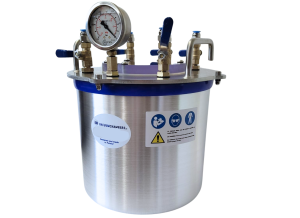
Vacuum trap 20.0l, for infusion process, steel lid VT3028ASS
Availability: running out
Dispatched within: 5 days
Vacuum trap 12.5l, for infusion process, aluminum VT2523AG

Vacuum trap 12.5l, for infusion process, aluminum VT2523AG
Availability: lack of goods
Vacuum trap 12.5l, for infusion process, steel lid VT2523ASS

Vacuum trap 12.5l, for infusion process, steel lid VT2523ASS
Availability: lack of goods
Vacuum trap 12.5l, for infusion process, aluminum VT2523A

Vacuum trap 12.5l, for infusion process, aluminum VT2523A
Availability: lack of goods
Vacuum trap 4.2l, for infusion process, stainless steel VT1621SG

Vacuum trap 4.2l, for infusion process, stainless steel VT1621SG
Availability: lot
Dispatched within: 24 hours
Vacuum trap 4.2l, for infusion process, stainless steel VT1621SSSS
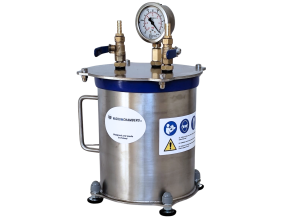
Vacuum trap 4.2l, for infusion process, stainless steel VT1621SSSS
Availability: average quantity
Dispatched within: 24 hours
Vacuum trap 4.2l, for infusion process, stainless steel VT1621S

Vacuum trap 4.2l, for infusion process, stainless steel VT1621S
Availability: average quantity
Dispatched within: 3 days
Technical Overview of Vacuum Trap
A vacuum trap is an essential protective component used in vacuum systems to prevent liquids, resins, and other contaminants from entering the pump. By capturing excess materials generated during infusion or vacuum bagging processes, it effectively protects critical system components from damage. These traps ensure reliable system operation and significantly extend the service life of connected equipment. Their durable construction and airtight design allow safe and efficient use in demanding technical environments.
Applications and Selection Criteria
Vacuum Trap systems are widely used in resin infusion, vacuum bagging, and impregnation processes where excess liquid may be drawn into the vacuum line. They are particularly valuable in composite manufacturing, craft workshops, and laboratory applications that require stable vacuum conditions. When selecting a trap, consider its capacity, compatibility with system connectors, and integration with vacuum pumps. Proper selection ensures effective capture of liquids and reliable protection of the vacuum system.
Product Range Structure
- Vacuum Pumps – devices generating the vacuum required for infusion, bagging, and impregnation processes, which benefit from additional protection provided by vacuum traps that prevent contamination of the pump by liquids and process residues.
- Vacuum traps with additional connectors – designed for complex vacuum installations, allowing the connection of multiple vacuum lines and improving system flexibility during advanced processes.
- Traps optimized for resin infusion systems – enabling efficient capture of excess resin and process liquids, protecting the vacuum pump and maintaining stable vacuum conditions during composite manufacturing.
- Vacuum traps with polycarbonate lids – lightweight and impact-resistant designs that provide excellent visibility of the captured liquids while ensuring safe operation.
- Vacuum traps with tempered glass lids – highly durable solutions offering superior chemical resistance and excellent transparency for monitoring filtration and condensation processes.
Why Choose Our Traps?
Our vacuum trap solutions are designed with durability, safety, and operational efficiency in mind. High-quality materials and precise engineering ensure reliable containment of liquids and contaminants before they reach the pump. Each product is manufactured to maintain vacuum tightness and withstand demanding operating conditions. These traps provide an effective and cost-efficient way to protect vacuum systems and extend the lifespan of connected components.
FAQ
How Does a Vacuum Trap Protect a Vacuum Pump?
It captures excess liquids, resins, and contaminants before they reach the pump, preventing internal damage and reducing the risk of equipment failure.
In Which Processes Is a Vacuum Trap Most Useful?
They are commonly used in resin infusion, vacuum bagging, and impregnation processes where liquids may be drawn into the vacuum line.
Can a Vacuum Trap Extend the Lifespan of a Vacuum System?
Yes. By preventing contaminants from entering the pump, the trap reduces wear and helps maintain stable system performance.
How Do I Choose the Right Vacuum Trap?
Important factors include capacity, compatibility with vacuum lines, and integration with vacuum pumps used in the system.
How Should a Vacuum Trap Be Maintained?
Regular inspection and cleaning of collected residues ensure reliable operation and prevent buildup that could affect vacuum efficiency.


