


How Does a Vacuum Pump Work? Basic Working Principles

A vacuum pump is used to remove air from a system in order to achieve the lowest possible pressure. Since it is impossible to achieve a perfect vacuum on Earth under industrial and laboratory conditions, the main goal is to reduce the number of gas particles in the system. The more air is removed, the higher the vacuum level achieved, meaning the pressure is lower and closer to a perfect vacuum.
In practice, various types of pumps are used for this purpose. Their construction and operating principles differ. We offer oil rotary-vane, piston, and diaphragm pumps. All these devices reduce the pressure in a system by removing air, which leads to the creation of a vacuum.
The basic working principles of these types of pumps are presented below.
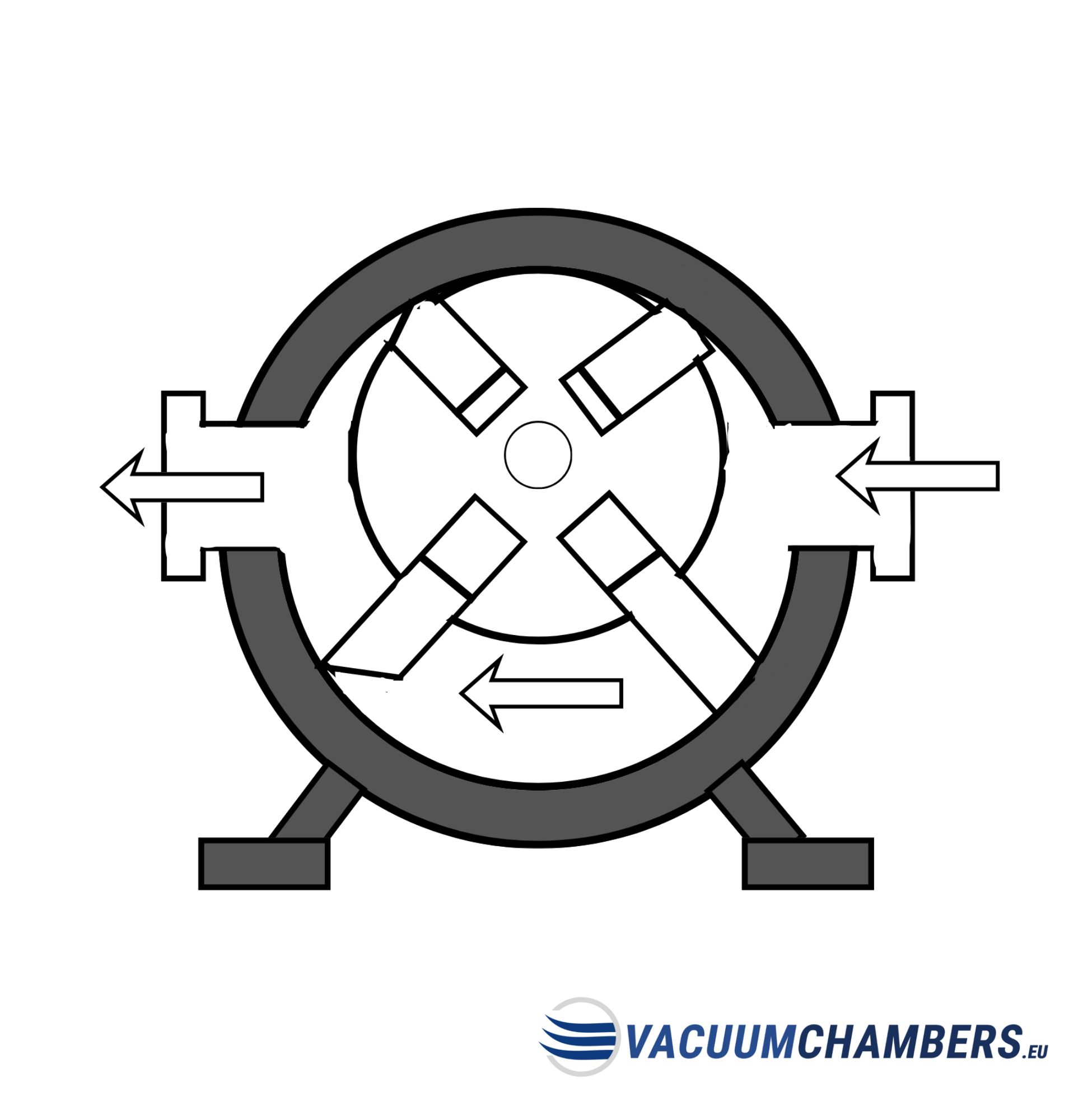
For proper operation, oil rotary-vane pumps require oil, which reduces friction between rotating elements (vanes) and improves the tightness of the system. How do they work ? These pumps contain a rotor with vanes inside, which draw air from the system (e.g., from a vacuum chamber) and discharge it through the outlet.
They can be divided into two categories: single stage and two stage pumps. Single stage models have one chamber with a rotor. In contrast, two stage ones equipped with two chambers, each with a rotor and vanes. The first chamber reduces the pressure in the system, and the second reduces it even further, allowing a higher vacuum level to be achieved. It is their key advantage.
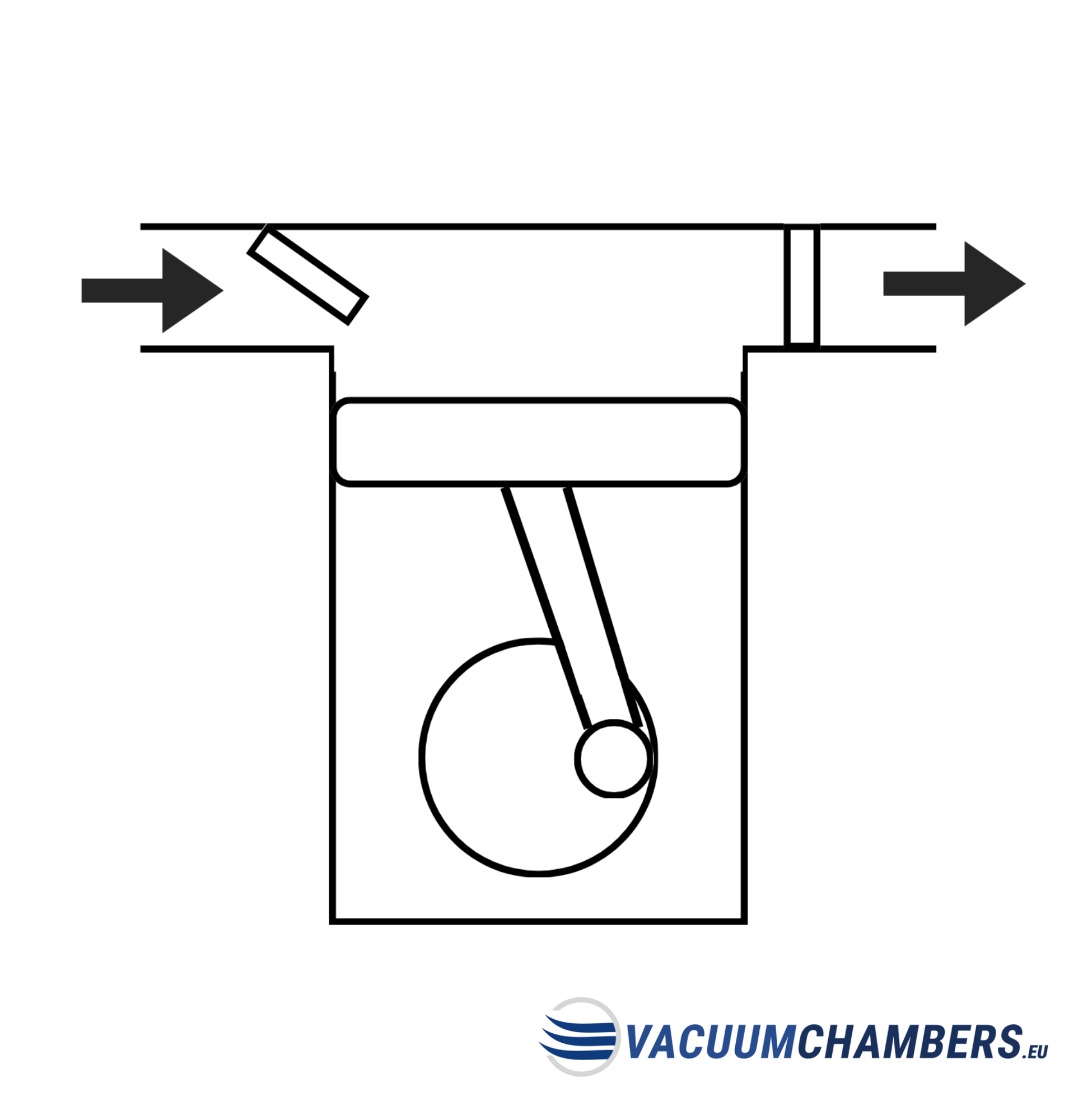
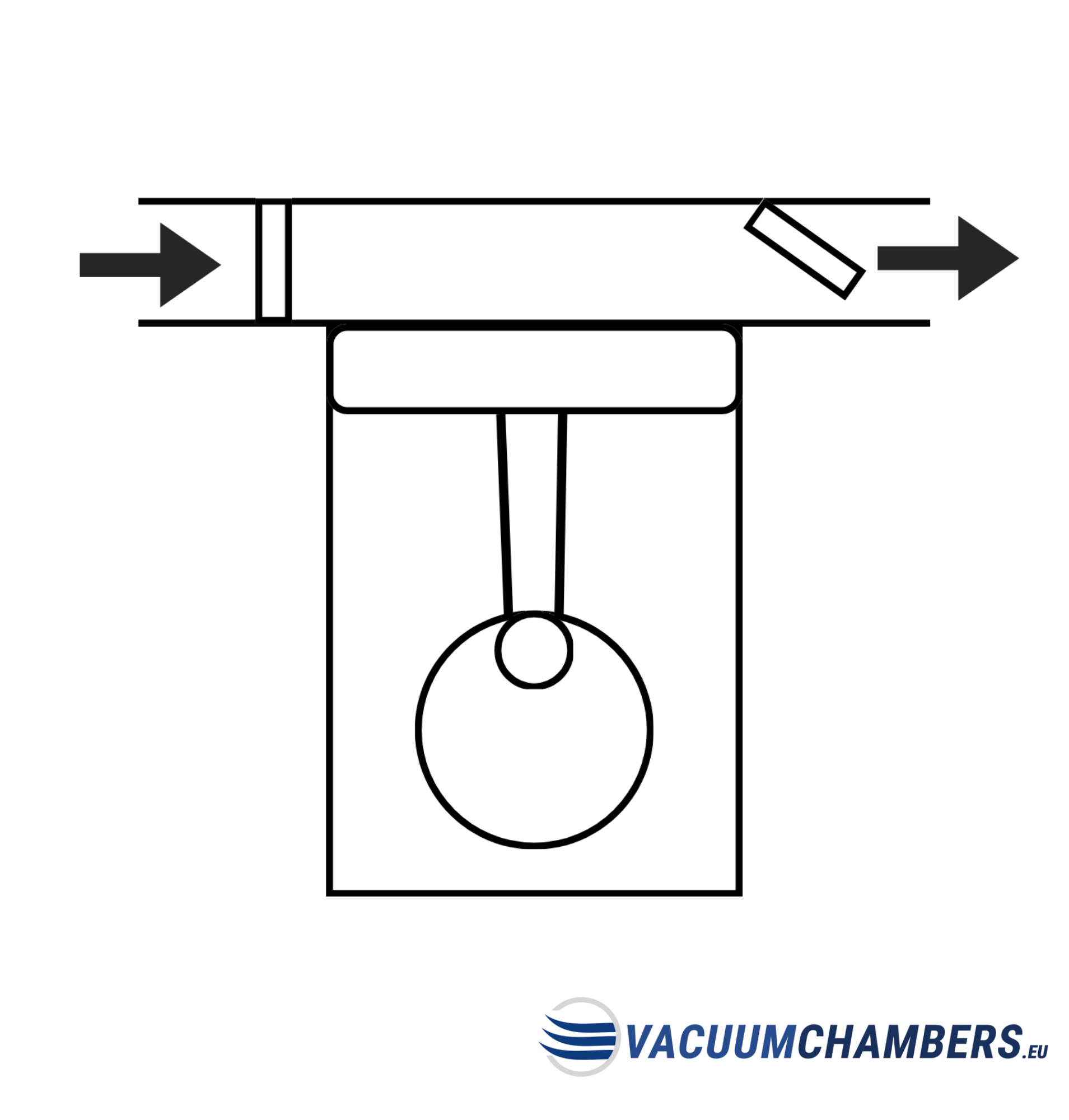
In diaphragm pumps, the suction and removal of air are achieved by means of an elastic membrane that moves periodically. As the membrane stretches, underpressure is created, causing air to be drawn in. When the membrane returns to its original shape, the air is expelled from the chamber. This process is supported by one-way valves : one opens during suction, and the other during air discharge, preventing gas from returning to the system.
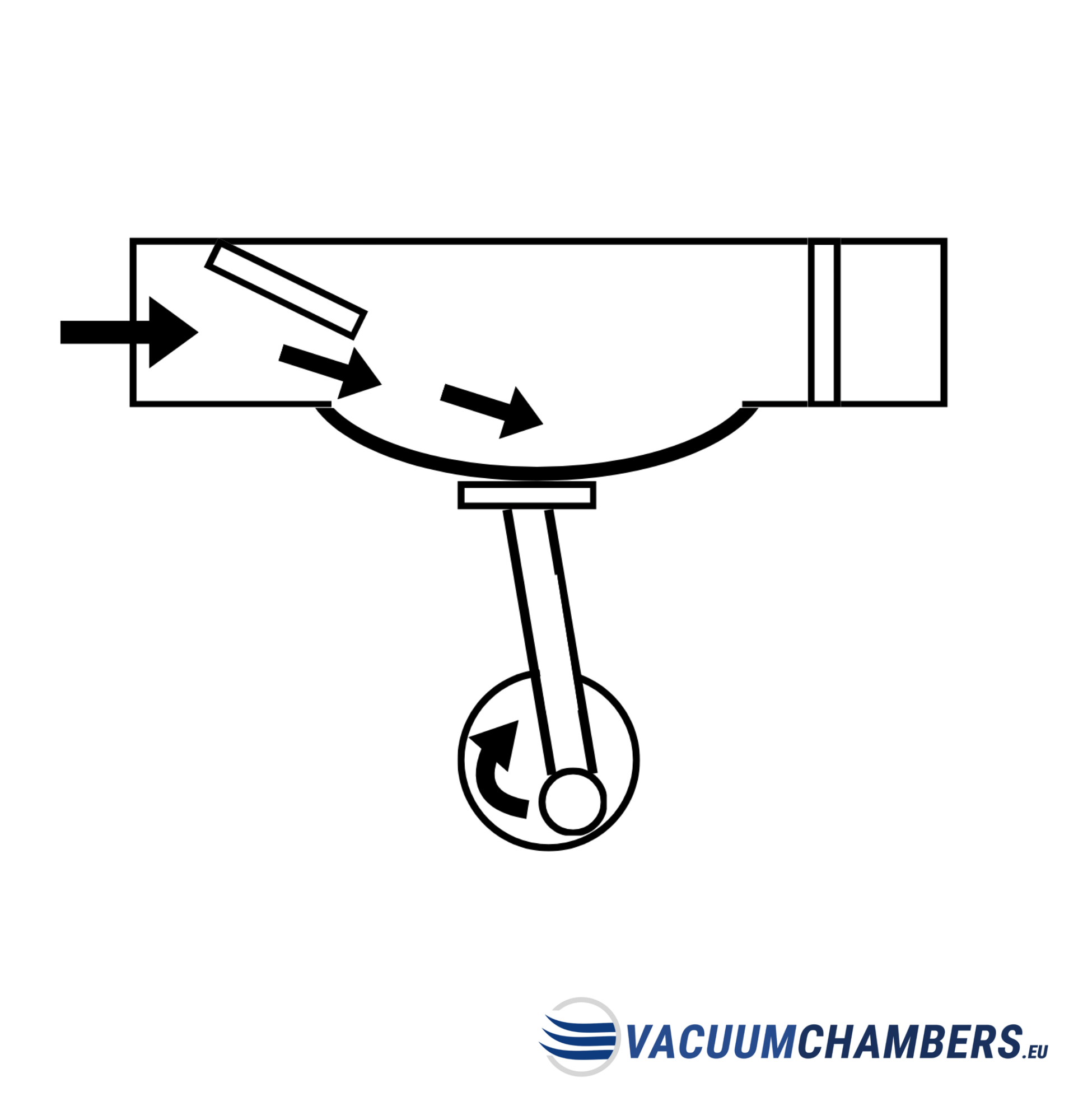
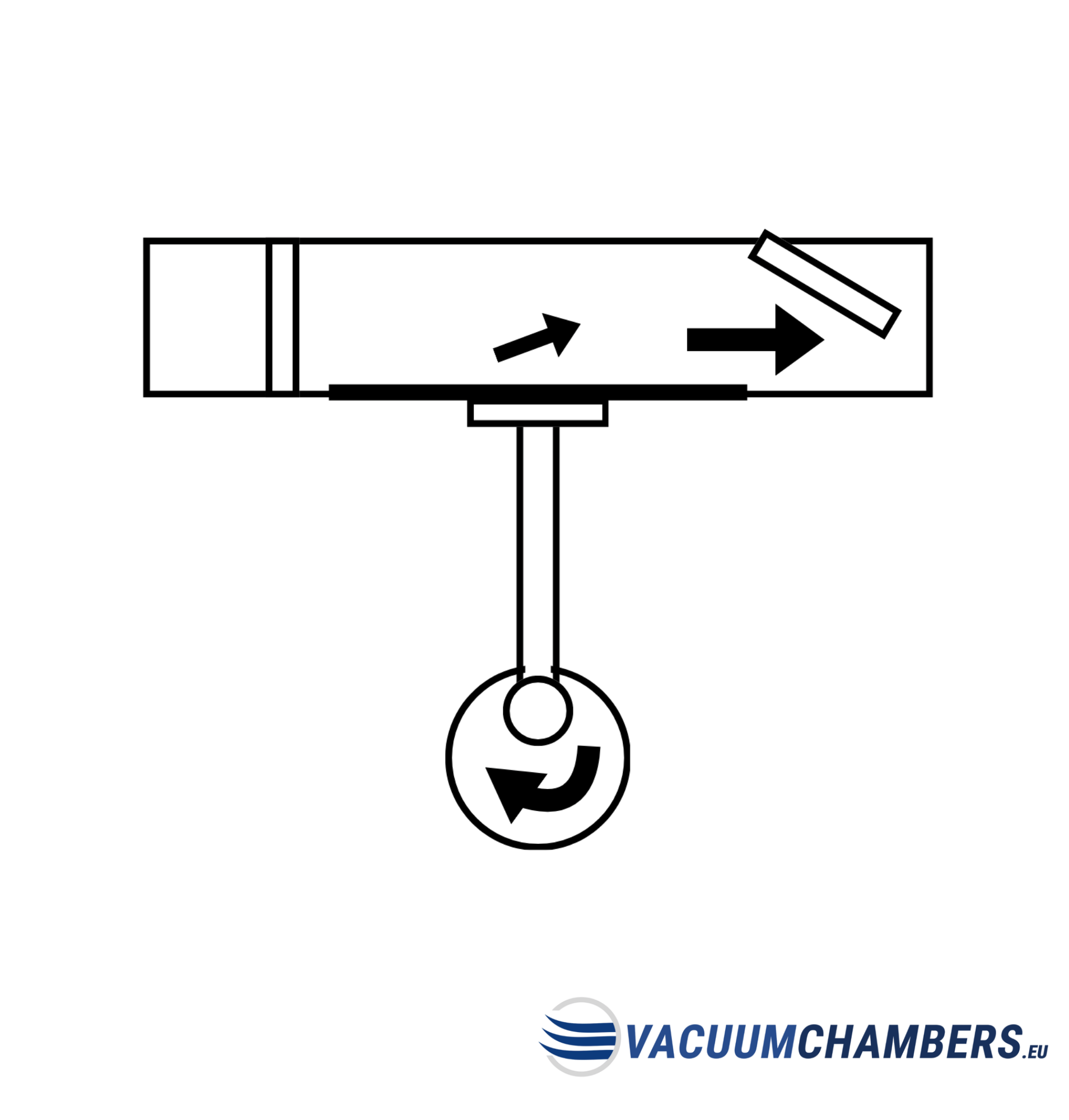
Piston pumps operate on the movement of a piston within a cylinder. When the piston moves and increases the chamber volume, air is drawn in. When it returns to its initial position, the air is compressed and expelled. One-way valves are also used here to prevent gas from returning to the system.
Summary
Despite differences in construction and operation, all these vacuum pumps perform the same task – reducing pressure in a system by removing air. This is achieved through the cyclical intake and discharge of gases, which gradually decreases their quantity until the required vacuum level is reached.
Don’t hesitate to check out our vacuum pump range!