


Tempered Glass, Polycarbonate or Stainless Steel Lid – Which One to Choose?

Many of our customers wonder which lid to choose for their vacuum chamber and what the difference is between a tempered glass lid and one made of plastic, i.e. polycarbonate. There are often doubts about whether it is necessary to invest in the more expensive option. Today, we’ll try to shed some light on this topic.
What are the characteristics of a polycarbonate lid?
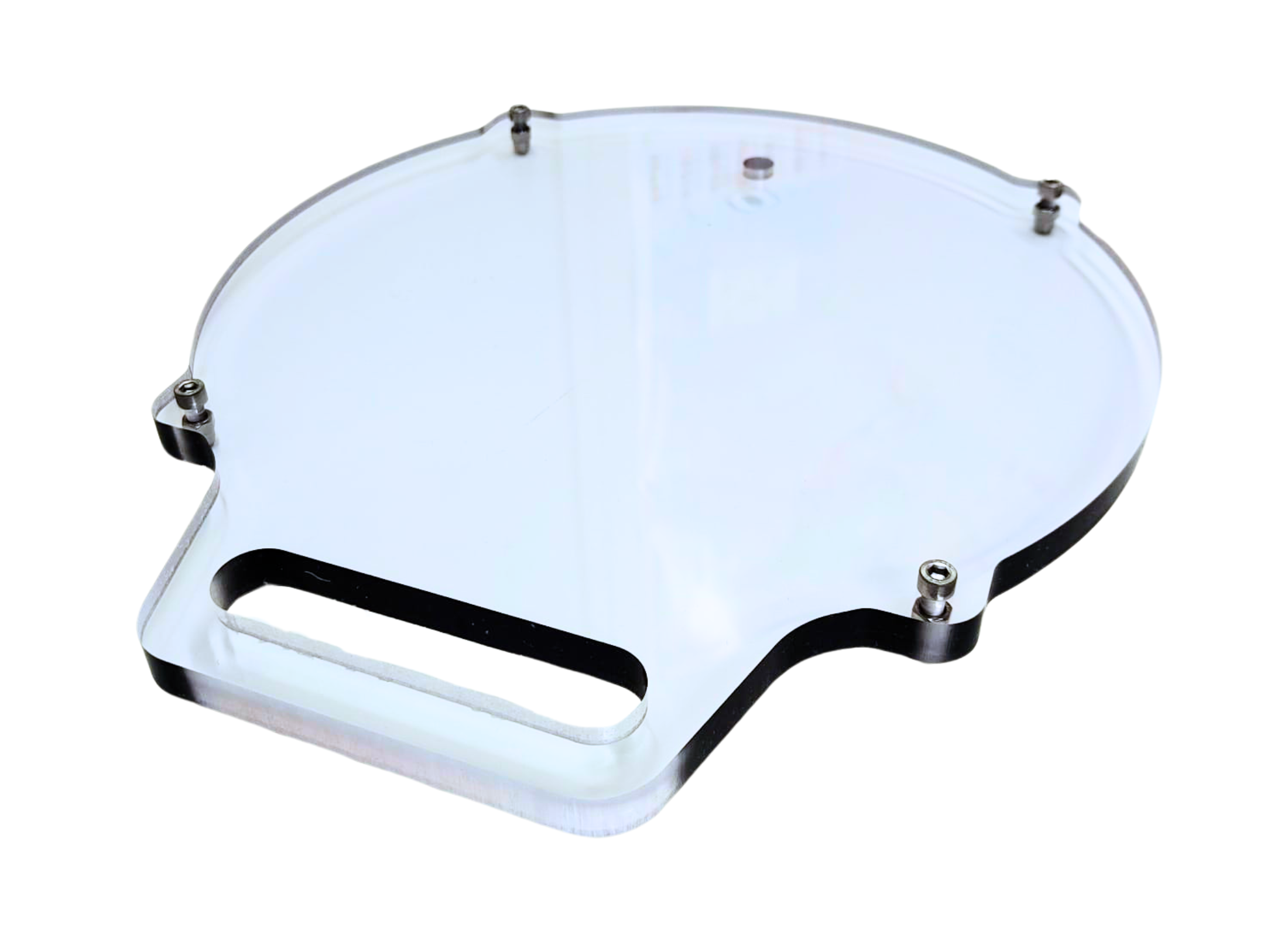
Polycarbonate is a plastic material with high resistance to mechanical damage and low weight. Its durability means that even if the lid is dropped, it won’t break. It also allows a lot of light to pass through, which enables visual monitoring of the process inside the chamber—just like a tempered glass lid. However, it has only medium chemical resistance, which means it should only be cleaned with a soft cloth dampened with warm water. The use of detergents may cause the surface to become cloudy or scratched.
What is the tempered glass lid used for?
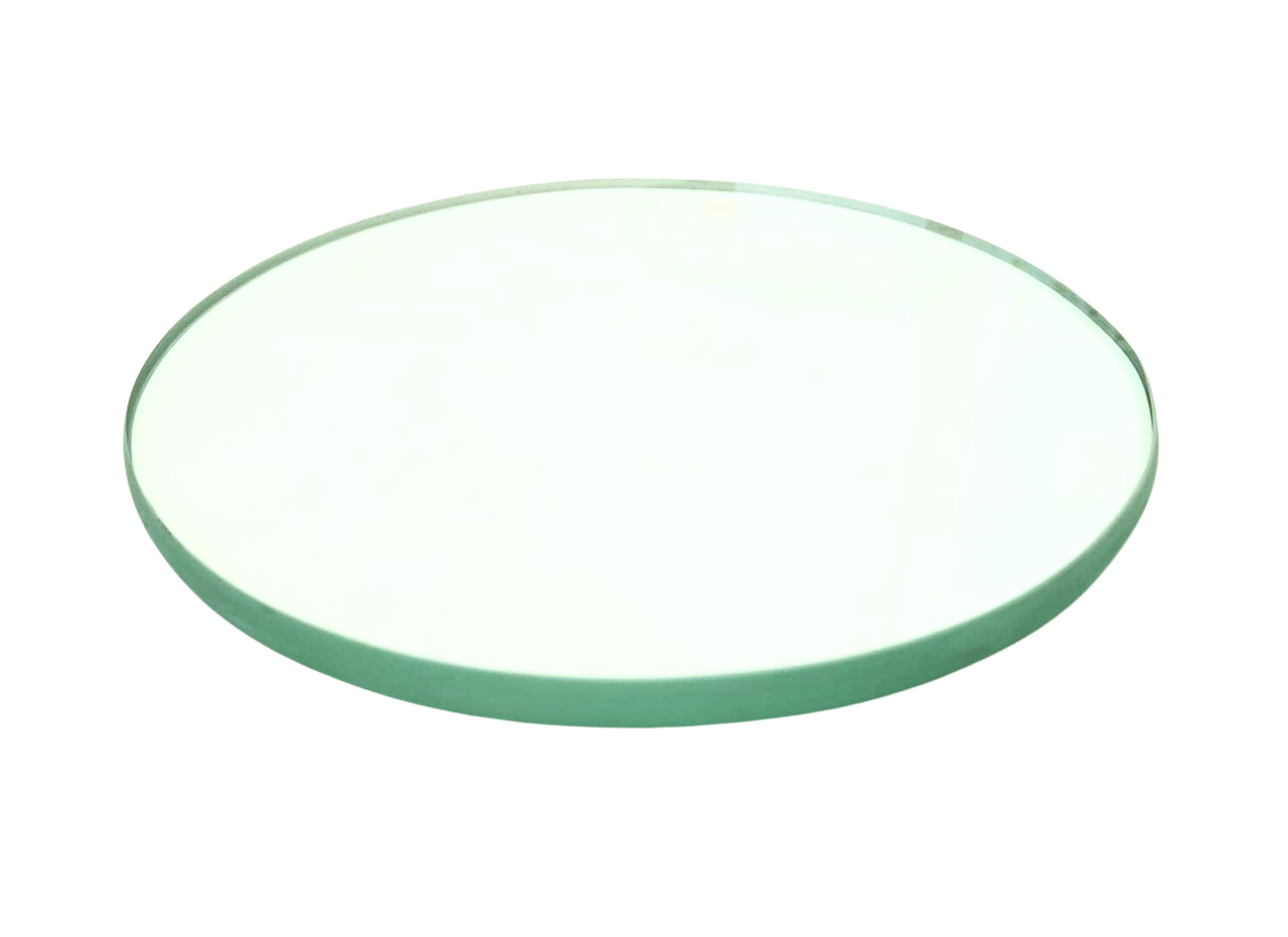
Despite its many advantages, a polycarbonate lid is not suitable for certain processes that may be carried out in vacuum chambers. One example is wood stabilization using products such as ImpResin90, Novacure, or Cactus Juice. A polycarbonate lid should also not be used with substances like alcohol, ethanol, acetone, acrylic-based monomers or polymers, or styrene-based materials. These substances can degrade or cloud the polycarbonate due to their chemical composition. For such applications, a lid made of more chemically resistant material is recommended.
Tempered glass lids offer excellent chemical resistance, which also makes cleaning easier since any kind of detergent can be used without causing damage.
About stainless steel lids
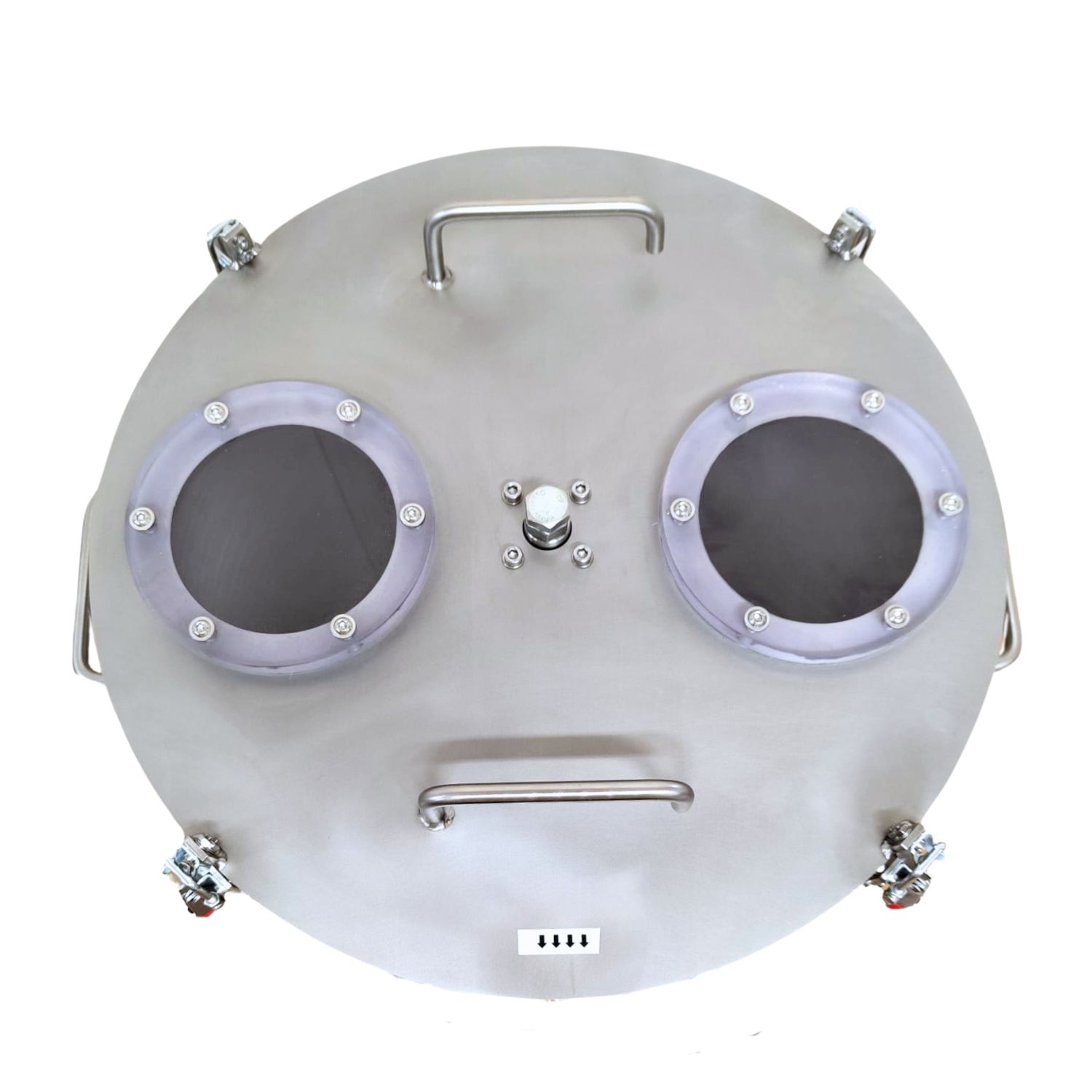
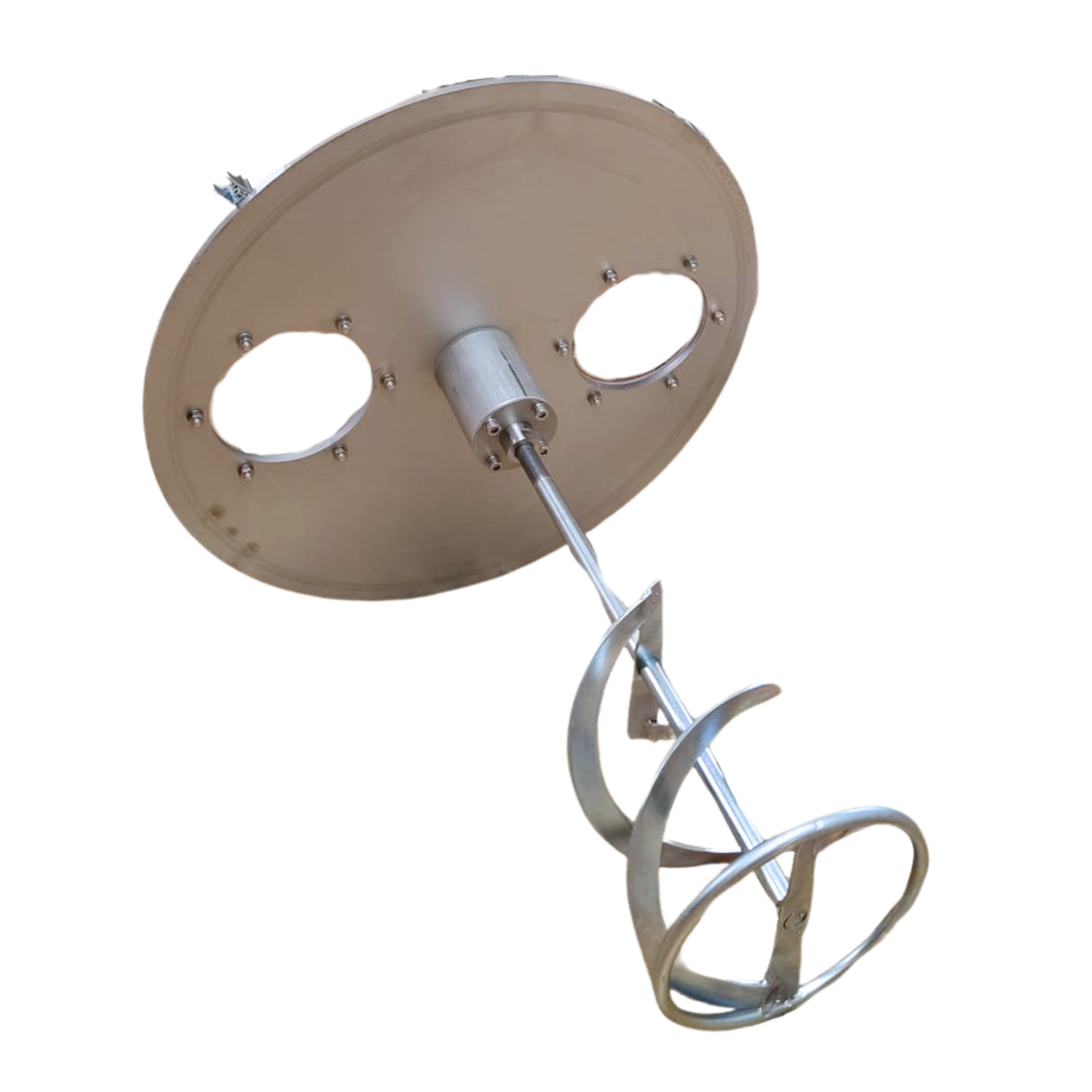
Chamber with stirrer with stainless steel lid
A stainless steel lid is an alternative to the two above-mentioned options. It is less commonly used, partly because it is not transparent and therefore does not allow visual observation of the process inside the chamber. However, stainless steel lids combine chemical resistance with high mechanical strength and shatter resistance. This combination makes them particularly suitable for vacuum storage of various substances, such as PU adhesives. Another common use is in chambers where optional accessories—like a stirrer—need to be mounted on the lid.
So, which lid should you choose?


A polycarbonate lid can successfully replace a tempered glass lid due to their similar properties. It is also lighter and more resistant to mechanical damage. On the other hand, tempered glass lids offer superior chemical resistance, which is essential for processes such as wood stabilization. Meanwhile, stainless steel lids combine the mechanical durability of polycarbonate with the chemical resistance of tempered glass, but they do not allow visual inspection during the process.
In summary, a polycarbonate lid will work well for degassing most resins and modeling materials. However, for substances used in wood stabilization such as ImpResin90, alcohol, ethanol, acetone, acrylic-based monomers and polymers, or styrene-based polyester resin, a tempered glass or stainless steel lid is necessary.
Feel free to check out our range of vacuum chambers.